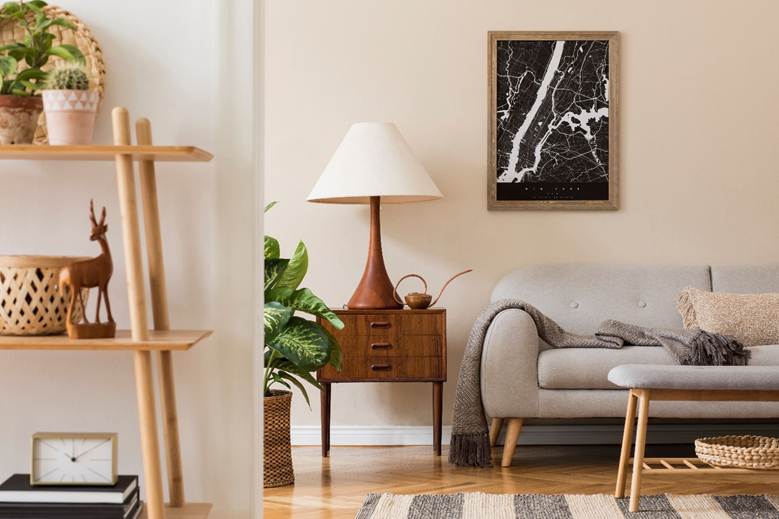
Selling a home isn’t just a transaction—it’s a psychological experience for both the seller and the buyer. In today’s competitive real estate market, savvy homeowners and realtors are turning to home staging to boost perceived value and help properties sell faster. But home staging is more than just fluffing pillows and adding a vase of flowers. It’s rooted in cognitive science and behavioral psychology that taps into how people make decisions, what catches their eye, and how emotions influence purchasing behavior.
Avrahom Orloff delves into the psychology behind home staging—why it works, what makes it so effective, and how to use elements like color, lighting, and layout to appeal directly to buyers’ emotions and subconscious desires.
The Emotional Core of Home Buying
Buying a home is often described as an emotional decision disguised as a financial one. While price, location, and square footage are critical, the emotional connection a buyer feels when stepping into a home can make or break a sale.
Psychologists explain that humans are wired to react emotionally before they think rationally. In real estate, this means buyers will often fall in love with a home emotionally first, then justify the purchase logically later. A well-staged home helps evoke that initial emotional response, creating a “love at first sight” scenario that encourages commitment and urgency.
First Impressions: The Power of Visual Processing
The brain processes visuals 60,000 times faster than text. That means buyers form a first impression within seconds of walking through the front door—or even viewing a listing online. Staging ensures that every room tells a cohesive story that aligns with buyers’ aspirations: comfort, cleanliness, style, and possibility.
Psychologically, humans also rely on mental shortcuts called “heuristics” to make decisions. A beautifully staged home signals that it’s well-maintained, high-value, and move-in ready—even if it’s not flawless. That impression can reduce perceived risk, encouraging a stronger offer.
Color Psychology: Setting the Mood
Color wields incredible psychological power in home staging. Warm, neutral palettes like beige, greige, soft gray, and creamy whites create a sense of calm and cleanliness. These tones help buyers project their own lives onto the space, enhancing emotional connection.
Here’s how different colors influence buyer perception:
- Blue: Tranquility and trust. Best for bathrooms or bedrooms.
- Green: Harmony and freshness. Works well in sunrooms, kitchens, and transitional spaces.
- Warm Neutrals (beige, taupe, greige): Universally appealing and calming. Ideal for main living spaces.
- White: Cleanliness and simplicity. Great for kitchens and small rooms to feel larger.
- Avoid bold hues: Red, orange, and dark purples can polarize buyers or feel aggressive.
Strategic use of accent colors—through pillows, rugs, or artwork—can add personality without overwhelming the senses.
Lighting: Shaping Space and Emotion
Lighting is a powerful psychological cue that affects mood, perceived size, and ambiance. Dark homes feel smaller and less inviting, while bright, well-lit spaces appear cleaner, larger, and more welcoming.
Three types of lighting work together to enhance staging:
- Ambient Lighting: General lighting that illuminates the room. Natural light from windows is ideal, but overhead lights should be bright and updated.
- Task Lighting: Functional lighting like under-cabinet lights in kitchens or reading lamps in living rooms.
- Accent Lighting: Used to highlight architectural features or art, creating visual interest and a sense of luxury.
Replacing dated light fixtures with modern alternatives and opening curtains to flood rooms with daylight can significantly shift buyer perception.
Layout: Guiding Flow and Imagination
Psychologically, humans crave order, balance, and purpose. A cluttered or oddly arranged room forces the brain to work harder to make sense of the space. Staging eliminates this cognitive load by offering a clear, intentional layout that supports natural movement and encourages imagination.
Here’s how layout influences buyer behavior:
- Furniture Placement: Properly spaced furniture allows for intuitive flow and showcases the room’s functionality.
- Defined Spaces: Clearly delineating areas for dining, working, or relaxing helps buyers visualize daily life in the home.
- Decluttering: Removing excess furniture and personal items enhances perceived space and reduces distraction.
- Depersonalization: Family photos, niche collections, or unique décor styles should be minimized. This allows potential buyers to mentally “move in.”
Staging a home isn’t about decoration—it’s about strategic storytelling through layout.
The Subconscious Triggers That Sell Homes
Certain design choices tap directly into subconscious desires and preferences. Consider these staging techniques grounded in psychological principles:
- Symmetry: Symmetrical arrangements are pleasing to the eye and suggest order. Flanking a fireplace with matching chairs or using pairs of lamps on nightstands subtly comforts the viewer.
- Texture: Introducing varied textures (plush pillows, soft throws, woven baskets) adds tactile interest and warmth.
- Scent: The olfactory system is closely tied to emotion and memory. Subtle scents like citrus, vanilla, or fresh linen can enhance mood and suggest cleanliness.
- Mirrors: Placed strategically, mirrors expand visual space and reflect light, making rooms feel larger and brighter.
These sensory cues influence how buyers remember the home—and how favorably they recall it later.
Home Staging Is Psychology in Action
Ultimately, home staging is about more than beautifying a space—it’s about psychological engineering. Every design decision, from paint color to lamp placement, serves to create an environment that aligns with buyer aspirations and behaviors.
A well-staged home isn’t just a showcase; it’s a suggestion. It whispers, “This could be your life.” And when a buyer believes that narrative, they’re more likely to act quickly and pay a premium.
Whether you’re a homeowner preparing to sell or a professional stager honing your craft, understanding the psychological principles at play can turn staging from a checklist into a powerful sales tool. By mastering color, lighting, and layout with buyer psychology in mind, you can transform any space into an irresistible invitation—and a profitable transaction.