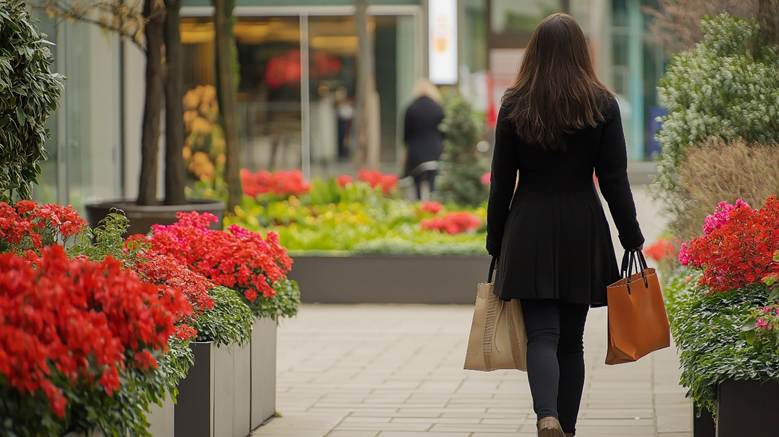
In an age where convenience, lifestyle quality, and sustainability are increasingly prioritized, the concept of “walkability” has emerged as a powerful driver of urban desirability and real estate value. Walkable neighborhoods—where daily needs and amenities are easily accessible by foot—are not just trendy; they represent a growing shift in how people choose to live. From city planning to residential investments, walkability affects more than just traffic patterns. Avrahom Orloff emphasizes that it influences property values, buyer preferences, community engagement, and even public health outcomes.
What Is Walkability?
Walkability refers to how friendly an area is to walking. This includes factors such as the presence and quality of sidewalks, street connectivity, proximity to essential destinations (like grocery stores, schools, parks, and transit), and safety considerations like lighting and traffic speed. The most walkable neighborhoods offer a seamless, safe, and pleasant pedestrian experience, making walking a viable and appealing alternative to driving.
The metric is often quantified by a “Walk Score,” a widely used index that assesses how easily residents can complete daily errands on foot. Areas with a high Walk Score (typically 70 or above) are considered highly walkable, while scores below 50 often indicate car dependency.
The Real Estate Premium on Walkable Neighborhoods
There is a strong and consistent correlation between walkability and property value. Numerous studies and real estate market analyses have confirmed that homes located in walkable areas tend to sell for more and appreciate faster than those in less walkable, car-dependent neighborhoods. For instance, a Redfin study found that homes in neighborhoods with above-average Walk Scores sold for up to 23% more than similar homes in less walkable areas.
This premium arises from both economic and lifestyle preferences. In walkable areas, homeowners can often save on transportation costs, enjoy shorter commutes, and access a richer variety of local businesses and services. This convenience and vibrancy create higher demand, and higher demand invariably leads to higher prices.
Urban Design and Livability
The structure and layout of a neighborhood—its urban design—play a pivotal role in determining walkability. Features like compact blocks, mixed-use zoning, pedestrian pathways, and minimal setbacks between buildings and sidewalks contribute to a walkable environment. These elements not only enable walking but actively encourage it, creating inviting streetscapes that feel safe, interesting, and accessible.
Mixed-use development, in particular, is a hallmark of walkable neighborhoods. When residential buildings are integrated with shops, restaurants, offices, and public amenities, it cultivates a vibrant, active environment. This density and diversity of use create “15-minute neighborhoods,” where everything residents need is a short stroll away.
Walkable urban design also helps reduce traffic congestion, air pollution, and greenhouse gas emissions by discouraging overreliance on cars. For environmentally conscious buyers, this makes walkable areas a compelling option—and aligns with broader city planning goals for sustainability and resilience.
The Role of Access to Local Businesses and Amenities
Local businesses are both a product and a driver of walkable communities. Coffee shops, boutiques, bakeries, gyms, and salons add character and convenience to a neighborhood, making it not only functional but also emotionally engaging. People are drawn to places that feel alive and community-oriented, and local commerce plays a crucial role in cultivating that atmosphere.
From a real estate perspective, homes located near thriving commercial corridors or cultural hubs often command higher prices. Buyers recognize the added lifestyle value of being steps away from vibrant public spaces, dining experiences, and social interactions. Proximity to green spaces, farmers markets, and libraries further elevates appeal, reinforcing the desirability of the neighborhood as a whole.
Transportation and Accessibility
Public transportation infrastructure is an essential element of walkability. Neighborhoods that provide easy access to buses, subways, commuter trains, or bike-share programs are particularly attractive to buyers who prioritize mobility without the burden of car ownership.
Transit-oriented development (TOD), a planning approach that concentrates housing and commercial spaces near transit hubs, is on the rise. These areas often see a dual benefit: they enhance walkability and provide faster, more affordable commuting options. As a result, properties near public transit lines are frequently more valuable and resilient to market fluctuations.
Moreover, walkable communities that emphasize multimodal transit—walking, biking, public transportation—create a more inclusive environment for people of all ages, incomes, and physical abilities. This inclusivity broadens the buyer pool and contributes to long-term economic and social sustainability.
Health and Social Benefits Drive Demand
The benefits of walkable neighborhoods extend beyond property values. They are consistently associated with better health outcomes, including lower rates of obesity, diabetes, and heart disease, due to increased physical activity. Walkable environments encourage daily movement as a natural part of life, rather than a chore requiring a gym membership.
Additionally, walkable communities tend to foster stronger social connections. Neighbors are more likely to interact, local events are better attended, and a greater sense of belonging emerges. This human-scale connectivity contributes to lower crime rates, improved mental health, and a more cohesive community fabric—all factors that indirectly but significantly affect a neighborhood’s appeal and, by extension, its real estate value.
Shifting Buyer Preferences in a Post-Pandemic World
The COVID-19 pandemic brought a renewed focus on the importance of neighborhood design. As people spent more time at home and local parks, outdoor dining, and walkable streets became central to daily life, homebuyers began placing even greater emphasis on quality-of-life features.
Remote work has allowed many buyers to prioritize location based on lifestyle rather than proximity to an office. This shift has made walkable neighborhoods—even those outside traditional urban centers—more attractive than ever. Suburban areas that embrace walkability are seeing renewed interest, particularly among younger buyers and families seeking a balance between access and space.
Walkability Is the Future of Livable Communities
As cities and developers look toward the future, walkability is emerging as a defining feature of successful, sustainable, and resilient communities. Whether it’s higher property values, better health, increased social capital, or environmental benefits, walkable neighborhoods offer compelling advantages that resonate with modern buyers.
Investing in walkability isn’t just a trend—it’s a strategy for long-term value creation. For homeowners, real estate professionals, and urban planners alike, the message is clear: the more you can do on foot, the more a place is worth.